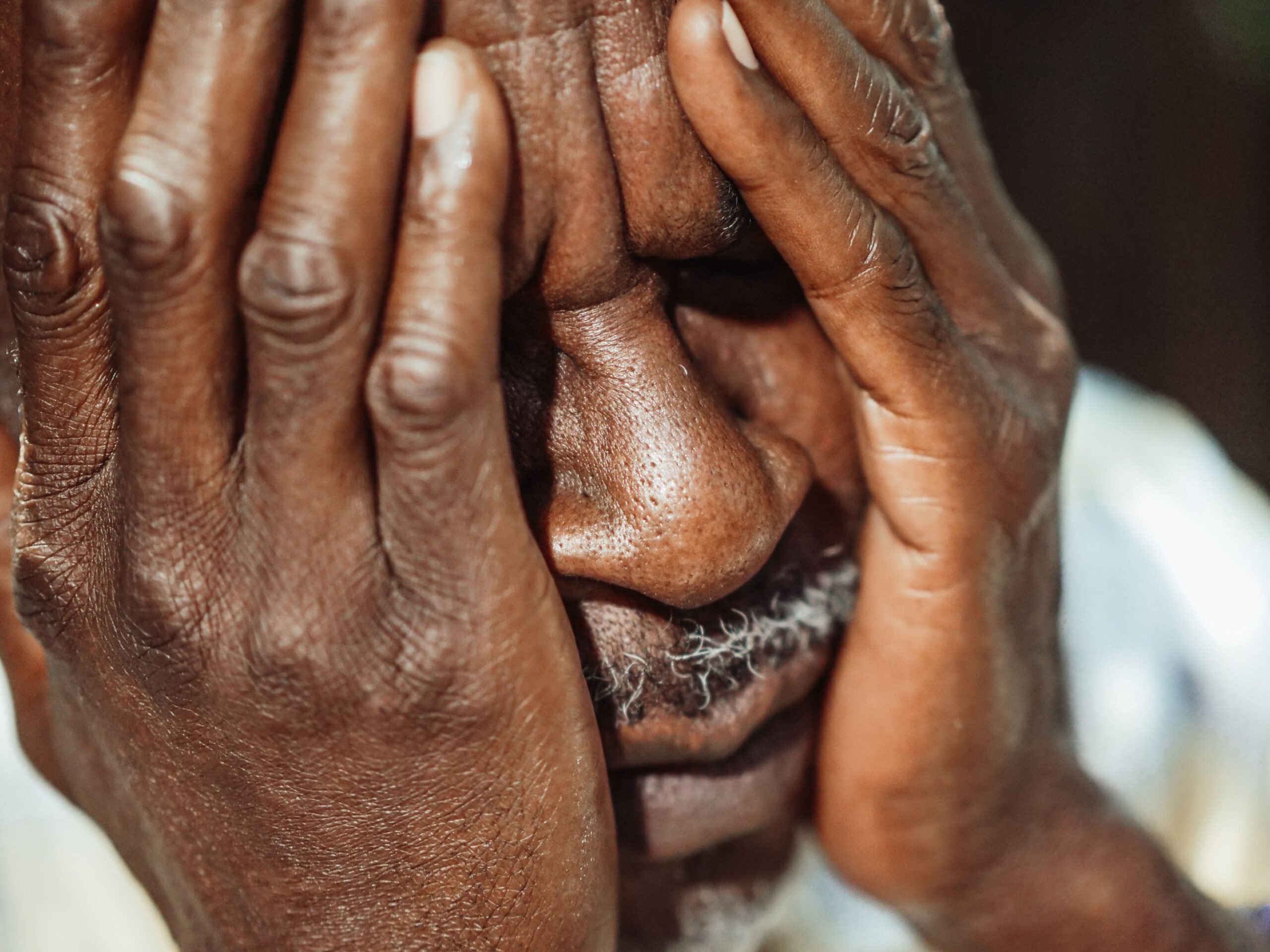
Everybody has moments when they feel disconnected from the world. Maybe you are surrounded by coworkers all day yet feel like nobody truly understands you. Maybe the group chat has gone quiet, family members are busy managing their own lives or a major life transition has left you feeling more alone than usual. Whatever the trigger, loneliness hits differently for everyone.
Loneliness is about far more than how many people are in your orbit; it comes down to whether you feel seen, supported and genuinely connected. Over time, persistent disconnection can take a larger toll on long-term health than many people realize, affecting sleep quality, physical activity, nutrition and mental well-being.
A study published in Nature Communications in October 2026 found that loneliness and social isolation were associated with fewer years of life lived free from major physical illnesses and mental health conditions—with particularly striking gaps in the number of healthy years spent without depression or anxiety.
What happens if a person is lonely for too long?
Feeling lonely occasionally is a normal part of being human, yet when that feeling becomes chronic, it can affect both mental and physical health. First, it helps to distinguish between loneliness and social isolation:
- Loneliness is the subjective feeling that your relationships lack the emotional connection you need.
- Social isolation describes having limited social contact or few regular interactions with others.
You can experience one without the other. Someone may live alone and feel deeply fulfilled, while another person maintains a packed social calendar yet still feels emotionally isolated.
Over time, persistent loneliness has been linked to higher risks of depression, anxiety, heart disease, stroke and cognitive decline, and the Centers for Disease Control and Prevention (CDC) identifies both loneliness and social isolation as factors associated with an increased risk of premature death.
The October 2026 Tulane University study in Nature Communications adds further detail by examining how loneliness, social isolation and lifestyle relate to healthy life expectancy. Researchers estimated that men experiencing both loneliness and social isolation had roughly 5.8 fewer years free from depression and anxiety, while women saw an estimated gap of about 3.7 years.
Because these findings come from observational population data, they reflect broad patterns rather than proving direct causation or predicting what will happen to any individual. Still, they underscore that emotional connection is not a luxury—it is a core pillar of health alongside sleep, nutrition and movement.
What are the symptoms of deep loneliness?
Loneliness does not always look like sitting alone at home with nobody to call. Often, it looks like showing up to every family gathering, checking in on everybody else and still feeling like there is no one you can turn to with your own struggles.
While no single symptom confirms loneliness, persistent disconnection commonly shows up as:
- Feeling detached from friends, family or your broader community.
- Feeling empty or misunderstood, even when surrounded by people.
- Losing interest in hobbies or social gatherings you used to enjoy.
- Avoiding phone calls, text messages or invitations more often than usual.
- Feeling down, anxious or irritable more frequently.
- Having trouble sleeping or noticing shifts in your daily routines.
Because these signs overlap with depression, anxiety, grief and chronic stress, it is important not to self-diagnose from a checklist alone. The National Institute on Aging (NIA) notes that loneliness and social isolation can weigh heavily on physical and emotional health—especially among older adults navigating bereavement, health changes or mobility challenges. What matters most is noticing whether disconnection is lingering and interfering with daily life, rather than waiting until you feel completely overwhelmed.
How disconnection quietly disrupts sleep, stress and daily habits
Beyond its ties to long-term illness, chronic loneliness can erode the everyday habits that keep your body and mind resilient. Ongoing emotional disconnection elevates daily stress, making it harder to sleep consistently, stay physically active, cook balanced meals or ask for help when you are struggling.
Left unchecked, loneliness can also become self-reinforcing. Feeling disconnected can make social plans feel exhausting, leading you to pull back—which in turn shrinks your opportunities to build the supportive relationships you actually need. Intentional solitude and quiet time alone are healthy, restorative habits; the concern arises when unwanted disconnection becomes your default state.
Why early detection matters
When people hear the phrase “early detection,” they usually think of cancer screenings, blood pressure checks or catching diabetes early. Paying attention to shifts in your emotional well-being deserves that same urgency. Loneliness is easy to brush aside—especially if you are used to being the dependable one in your family or friend group, telling yourself everyone is busy, or assuming you should handle everything on your own.
A 2023 advisory from the U.S. Surgeon General highlights meaningful social connection as vital to cardiovascular health, mental well-being and longevity. For Black adults, access to supportive connection is also shaped by structural realities—not just individual effort. Work demands, caregiving duties, transportation barriers, disability, financial strain and discrimination can all limit time and energy for relationships, which the CDC recognizes as social and structural contributors to isolation.
Catching these patterns early does not require forcing yourself to become extroverted overnight. It can begin simply by acknowledging that you have not felt like yourself, by reaching out to someone you trust or by bringing it up during a routine medical visit before reaching a breaking point.
Realistic ways to rebuild connection—and when therapy helps
There is no single cure for loneliness because the root causes vary from person to person. Some people need more opportunities to meet others, while those with active social lives may crave deeper, more authentic bonds.
Start with small, low-pressure steps:
- Lean into everyday touchpoints: Send a quick text to a friend you have missed, schedule a regular phone call with a relative or invite a coworker to lunch.
- Explore shared-interest spaces: Join a neighborhood walking group, volunteer organization, library program, community center, or a church or spiritual community.
- Consider animal companionship: Caring for a pet or volunteering at a local animal shelter can also help establish a daily routine and foster emotional warmth. “Nurturing affection for pets does more than offer companionship; it also shapes our capacity for compassion and empathy,” explains Dr. Diana Rangaves. “Experiences with animals teach patience and respect, laying a foundation for positive relationships—even with ourselves—while enriching our emotional world with lasting social and health benefits.”
- Look after foundational health habits: Prioritizing consistent sleep, regular movement and hobbies you genuinely enjoy helps buffer stress while you rebuild social momentum.
When feelings of rejection, anxiety or disconnection run deep, talking with a mental health professional can help. Cognitive behavioral therapy (CBT), for example, helps people identify unhelpful thought patterns and practice new ways of navigating social situations. A 2021 systematic review and meta-analysis of 31 studies involving nearly 4,000 participants found that psychological interventions significantly reduced loneliness compared with control groups.
If chronic pain, hearing loss or mobility limitations make socializing harder, ask a healthcare provider about tools or accommodations to address those barriers. Above all, focus on quality over quantity—a few relationships where you can be fully yourself matter far more than a crowded network that leaves you feeling unseen.
When to see a doctor
If loneliness has lingered for weeks, affected your mood or disrupted daily routines, bring it up with a primary care provider. You do not need to be in crisis to ask for support. A clinician can evaluate whether depression, anxiety, sleep disorders or other health issues are contributing to how you feel and connect you with a licensed therapist or community support resources.
Before your visit, jot down a few notes on:
- How long you have felt disconnected and whether you have lost interest in activities.
- Changes in your sleep, appetite, energy levels or concentration.
- Recent life transitions, such as a breakup, bereavement, job change, move or new caregiving responsibilities.
The NIA recommends discussing persistent loneliness and isolation with a healthcare professional whenever health or life circumstances make it difficult to connect.
Above all, take urgent symptoms seriously. If you are experiencing severe depression, feeling hopeless or having thoughts of self-harm, call or text 988 in the United States to reach the Suicide & Crisis Lifeline, or call 911 if you are in immediate danger. Asking for help is a practical step toward healing, never a personal failure.
Bottom line
Loneliness is about the quality of your connections, not the number of names in your contacts list. When disconnection lingers, it is linked to real mental and physical health risks—including depression, anxiety and cardiovascular disease—yet meaningful reconnection can start with small, manageable steps and professional support. You deserve relationships where you feel genuinely seen and supported, and you do not have to wait for a crisis to begin building them.
Frequently Asked Questions
Is there a medication for loneliness?
No medication is approved to treat loneliness itself. However, if an underlying condition such as depression or anxiety is contributing to how you feel, a healthcare provider may recommend targeted medication alongside therapy, social support and practical strategies to rebuild connection.
At what age does loneliness peak?
Loneliness shifts across the lifespan depending on life circumstances. A large analysis of nine longitudinal studies involving 128,118 participants found that loneliness tends to follow a U-shaped curve—peaking in young adulthood, dipping during midlife and rising again in older adulthood—showing that both younger and older adults can be particularly vulnerable.
Citations
Wang X, Ma H, Heianza Y, Liang Z, Franco OH, Qi L. Associations of loneliness, social isolation and healthy lifestyle with life expectancy free of major physical disease and mental disorder. Nature Communications. Published 2026;17(1). https://doi.org/10.1038/s41467-026-74498-8
Centers for Disease Control and Prevention (CDC). Health Effects of Social Isolation and Loneliness. Updated May 15, 2024. https://www.cdc.gov/social-connectedness/risk-factors/
National Institute on Aging (NIA). Loneliness and Social Isolation. https://www.nia.nih.gov/health/loneliness-and-social-isolation
U.S. Department of Health and Human Services (HHS). Our Epidemic of Loneliness and Isolation: The U.S. Surgeon General’s Advisory on the Healing Effects of Social Connection and Community. Published 2023. https://www.hhs.gov/surgeongeneral/reports-and-publications/connection/index.html
Hickin N, Käll A, Shafran R, Sutcliffe S, Manzotti G, Lutz W, Andersson G, Böhnke JR. The effectiveness of psychological interventions for loneliness: A systematic review and meta-analysis. Clinical Psychology Review. Published 2021;88:102066. https://pubmed.ncbi.nlm.nih.gov/34339939/
Graham EK, Beck ED, Jackson K, et al. Do we become more lonely with age? A coordinated data analysis of nine longitudinal studies. Psychological Science. Published 2024.
