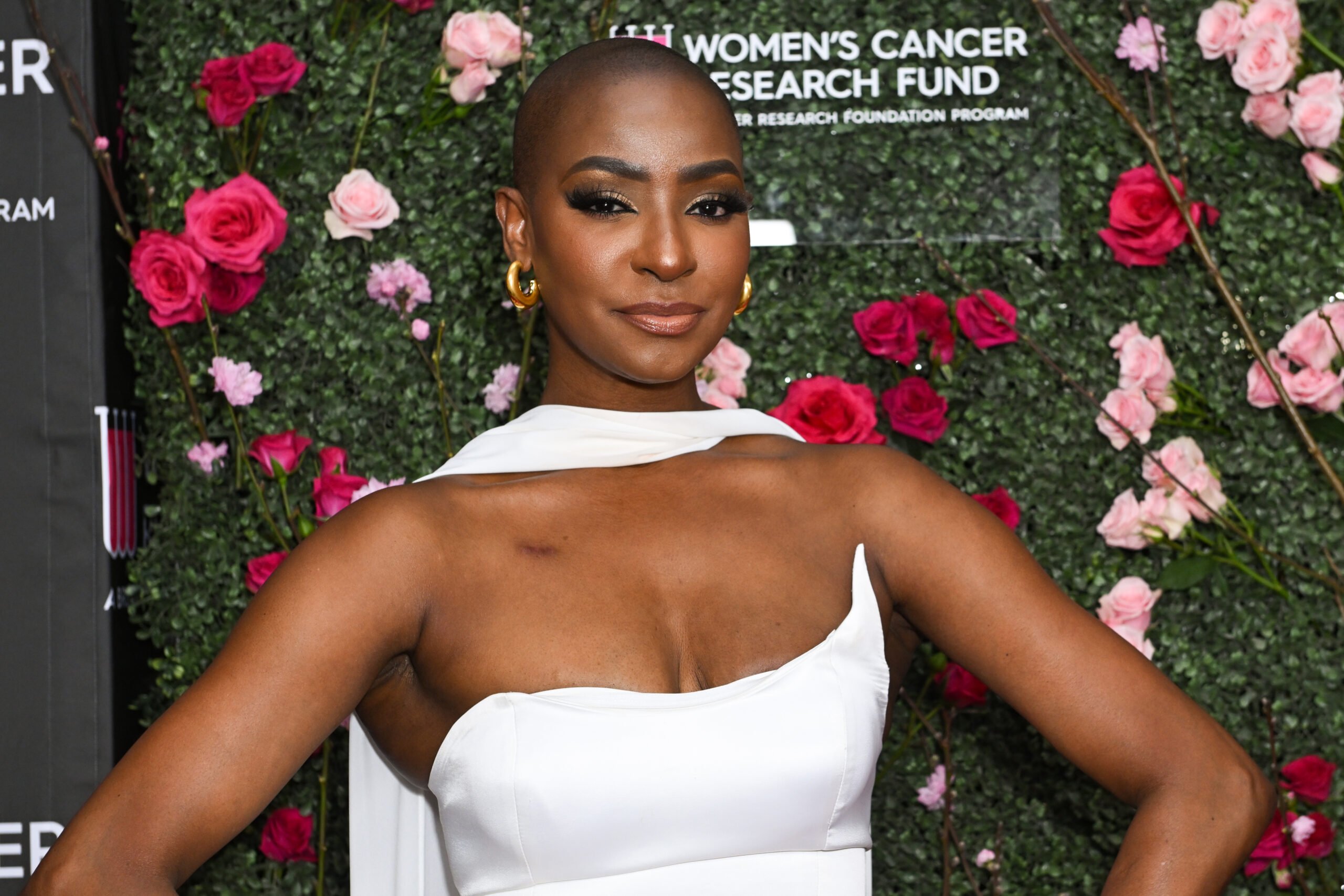
After surviving breast cancer, many people face another deeply personal decision: whether to undergo surgery to restore their breasts. For The Real Housewives of Miami star Guerdy Abraira, 48, reaching that decision took years of physical recovery, emotional healing and navigating complications from previous implants.
In an Oct. 26, 2026 appearance on the Page Six Virtual Reali-Tea podcast, Abraira shared that she had undergone breast reconstruction roughly two months earlier. She playfully introduced her new implants as “Lilly” and “Lola,” revealing that she was thrilled with the results and that the surgery helped restore her confidence and comfort in her body. Therapy also played a vital role in helping her heal emotionally before making another major physical change.
“I’ve just been so ready to get back to me,” she said during the interview. Her experience reflects an important reality of survivorship: recovery does not end the moment active cancer treatment wraps up, and reconstructive timelines depend entirely on an individual’s medical needs and emotional readiness.
From a 2023 lumpectomy to radiation complications
In March 2023, a routine mammogram led to Abraira’s breast cancer diagnosis. Initially diagnosed at stage 0, follow-up testing—including an MRI—revealed an invasive stage 1B estrogen-receptor-positive tumor in her left breast. When breast cancer cells contain estrogen receptors, the hormone can fuel tumor growth, helping oncologists map out targeted treatment plans that combine surgery, systemic therapy and radiation.
Abraira underwent a lumpectomy—a breast-conserving surgery that removes the tumor and a margin of surrounding tissue while preserving most of the breast. She followed surgery with four rounds of chemotherapy and 20 sessions of radiation therapy, sharing in November 2023 that she was cancer-free.
However, treatment significantly altered the shape and texture of her breasts. Abraira had gotten breast implants in 2014 prior to her diagnosis, and radiation caused thick scar tissue to tighten around the implant—a painful complication known as capsular contracture that makes the breast feel hard or distorted.
In August 2024, she had her implants removed. Surgeons also used fat from her waist—a procedure known as fat grafting—to help restore volume and symmetry to her left breast after the lumpectomy. Her latest reconstruction marks another step in feeling at home in her skin again.
Why healing emotionally came before another surgery
Before moving forward with her recent procedure, Abraira was candid—including during the seventh season of The Real Housewives of Miami—about feeling unsure whether she wanted another operation. She explained that she needed to work through her emotional recovery first and turned to therapy to rebuild from the inside out before focusing on her outward appearance.
Justus Rabach, MD, a physician specializing in clinical medicine and surgery, notes that taking time before reconstruction is common. “Treatment for breast cancer may include multiple treatments and months of physical recovery,” he tells Blavity Health.
“Those who do survive may require time to absorb the information of their diagnosis, adapt to the changes in their bodies and determine if any further surgery is appropriate for their objectives. There is no definitive order for reconstruction. The decision should reflect the person’s health, treatment history and preferences.”
What is breast reconstruction surgery, and how does it work after breast cancer?
Breast reconstruction rebuilds or reshapes the breast after cancer surgery using implants, a person’s own tissue or a combination of both. The right approach depends on the type of cancer surgery performed, prior treatments like radiation and a patient’s aesthetic goals.
- Lumpectomy-specific reconstruction: Unlike patients who undergo a full mastectomy, people who have a lumpectomy retain most of their breast tissue, as Abraira did. When a lumpectomy leaves unevenness or contour changes, surgeons may use oncoplastic techniques (combining cancer removal with plastic surgery), fat grafting, breast lifts, reductions or implants to restore balance.
- Implant-based reconstruction: Uses saline or silicone implants to restore breast volume. In many cases, a surgeon first places a temporary tissue expander beneath the skin and gradually fills it to stretch the tissue before replacing it with a permanent implant.
- Autologous (flap) reconstruction: Uses tissue taken from another part of the body—such as skin, fat and occasionally muscle from the abdomen, back, thighs or buttocks—to form a natural-feeling breast mound.
Rebuilding body confidence—with or without implants
Breast cancer treatment leaves lasting physical reminders, from changes in breast size, shape and sensation to surgical scarring and skin changes caused by radiation. Chemotherapy can also bring temporary hair loss, weight fluctuations and lingering fatigue that affect how a person relates to their body.
For some survivors, reconstruction restores a sense of familiarity and confidence. At the same time, reconstruction is not a prerequisite for emotional healing. Many survivors choose not to undergo additional surgery, opting instead for external breast prostheses, specialized clothing or living comfortably flat.
Deepti Chopra, M.B.B.S., a psychiatrist at The University of Texas MD Anderson Cancer Center, emphasizes that adjusting to post-treatment physical changes is a gradual process. “Rebuilding that connection with your new body takes time,” she writes in an MD Anderson article. Ultimately, reconstruction is a personal choice that survivors should make free from pressure from partners, family members or societal expectations.
What are the risks and recovery considerations associated with breast reconstruction?
Like any major operation, breast reconstruction carries surgical risks, including infection, bleeding, blood clots, fluid buildup (seroma), delayed wound healing, scarring and changes in breast or nipple sensation.
Implant-based reconstruction introduces additional considerations such as implant rupture, pain, rippling and capsular contracture—the same complication Abraira experienced after radiation. Prior radiation therapy can reduce blood flow to the skin and underlying tissues, increasing the risk of wound-healing complications and influencing which reconstructive methods are safest.
The U.S. Food and Drug Administration (FDA) also cautions that breast implants are not lifetime devices; the longer a person has them, the greater the likelihood of complications requiring removal or replacement. Textured implants in particular carry a rare risk of breast implant-associated anaplastic large cell lymphoma (BIA-ALCL). To monitor for silent ruptures, the FDA recommends that patients with silicone gel implants undergo an ultrasound or MRI five to six years after surgery and every two to three years thereafter.
When should breast cancer survivors consider reconstructive surgery?
Reconstruction can take place at different points along a patient’s care timeline:
- Immediate reconstruction happens during the same operation as a mastectomy or lumpectomy, sparing the patient from waking up without a breast mound and reducing total surgeries.
- Delayed reconstruction occurs months or even years after cancer surgery, allowing patients to finish chemotherapy and radiation first—or simply take time to decide what feels right emotionally.
A history of radiation, overall health, diabetes, smoking status and previous surgeries all factor into timing. Consulting with both a breast surgical oncologist and a board-certified plastic surgeon helps survivors weigh realistic outcomes, recovery timelines and potential complications before committing to a plan.
What does life after breast cancer treatment look like?
Finishing chemotherapy and radiation marks a major milestone, yet survivorship brings its own physical and emotional terrain. Ongoing follow-up appointments allow doctors to monitor for recurrence and manage lingering side effects such as fatigue, pain or sexual health changes. Patients who undergo breast-conserving surgery typically continue regular diagnostic mammograms and breast imaging as recommended by their oncology team.
Emotional support remains just as essential as physical monitoring. Counseling, survivor support groups, physical therapy and open conversations with loved ones can help survivors process life after breast cancer. If you are weighing your next steps, ask your oncology team about survivorship support services—or schedule a consultation with a reconstructive plastic surgeon simply to explore your options with no obligation to undergo surgery.
Bottom line
Guerdy Abraira’s recent reconstruction underscores that healing after stage 1B breast cancer, chemotherapy and radiation rarely follows a straight line. While reconstructive surgery can help restore confidence and body comfort, it remains a deeply individual decision—one with real medical considerations, potential risks and no expiration date.
Frequently Asked Questions
Does breast reconstruction increase the risk of breast cancer returning?
No, breast reconstruction has not been shown to increase the risk of breast cancer returning, although survivors still need recommended follow-up care and breast imaging.
Does health insurance cover breast reconstruction after breast cancer?
In the United States, the Women’s Health and Cancer Rights Act generally requires many health plans that cover mastectomies also to cover reconstruction. Still, coverage after a lumpectomy depends on the plan and applicable state laws.
Do breast implants need to be replaced after a certain number of years?
Breast implants do not have a strict expiration date, so they do not automatically need to be replaced if they are intact and causing no issues. However, because they are not lifetime devices, many patients eventually need replacement or removal due to rupture, capsular contracture, or changes in breast appearance.
Citations
Chopra D, Singh P. How to manage body image concerns after breast cancer surgery. The University of Texas MD Anderson Cancer Center. February 5, 2026. Accessed November 20, 2026. https://www.mdanderson.org/cancerwise/how-to-manage-body-image-concerns-after-breast-cancer-surgery.h00-159852978.html
U.S. Food and Drug Administration. What to Know About Breast Implants. FDA. February 12, 2025. Accessed November 20, 2026. https://www.fda.gov/consumers/consumer-updates/what-know-about-breast-implants
Center for Devices and Radiological Health. Breast Implants. U.S. Food and Drug Administration. 2019. Accessed November 20, 2026. https://www.fda.gov/medical-devices/implants-and-prosthetics/breast-implants
U.S. Centers for Medicare & Medicaid Services. Women’s Health and Cancer Rights Act (WHCRA). CMS. Updated March 13, 2026. Accessed November 20, 2026. https://www.cms.gov/cciio/programs-and-initiatives/other-insurance-protections/whcra_factsheet
